

Bedside Imaging in Washington, DC
Compare curated bedside imaging, check certifications, read reviews, and request quotes — all in one place.
Top-Rated in Washington
No providers match this filter.
Providers with an office in the Washington area, matched by the ZIP code of their published address.
Need help choosing? Get matched with top providers in seconds.
0 providers selected
Are you a mobile X-ray service in Washington? Already listed here: Bones on Wheels, All-Stat Portable – Silver Spring, Bones on Wheels – College Park and 3 more.
List your businessHow BedsideImaging Works
Browse & Compare
View curated providers, check certifications, and read real client reviews.
Request Quotes
Select up to 5 providers and send your project details. Free, no obligation.
Book Your Mobile X-ray Service
Compare quotes, check availability, and book directly with the provider.
Finding a reliable mobile X-ray service in Washington, D.C. shouldn’t require a procurement nightmare — but between the city’s dense concentration of SNFs in Wards 4 and 8, the high turnover among imaging vendors, and a regulatory environment that’s technically federal jurisdiction, administrators routinely get burned by providers who overpromise turnaround and underdeliver credentials. This directory exists so you don’t have to learn that lesson the hard way.
How to Choose a Mobile X-Ray Service in Washington
- Verify ARRT licensure, not just “state certification.” D.C. operates under federal jurisdiction, which means technologist licensing requirements differ from Maryland and Virginia. Ask for the ARRT RT(R) credential number and verify it directly at arrt.org — a 30-second check that most facilities skip.
- Ask specifically about federal facility compliance. Several long-term care facilities in D.C. hold federal contracts or serve VA-affiliated patients. Your imaging vendor needs to be familiar with federal health privacy standards and may need clearance protocols.
- Confirm their radiology read network. A portable X-ray is only as useful as the interpretation behind it. Ask who reads the images, where that radiologist is licensed, and what the average turnaround is for stat vs. routine reads. “Same day” is not a turnaround time.
- Get the on-call coverage answer in writing. D.C. facilities that handle post-acute and hospice cases need weekend and overnight availability. Ask what happens at 2 a.m. on a Saturday — and if they hesitate, that’s your answer.
- Check for ACR accreditation or equivalent QA documentation. Accreditation isn’t legally required, but it’s a strong proxy for whether a provider has documented quality protocols, equipment calibration logs, and dose tracking in place.
Pro Tip: D.C. has a high density of teaching hospital affiliates and government-adjacent health systems. Some mobile imaging vendors operate as subcontractors to larger radiology groups — which can mean slower escalation paths and less direct accountability. Ask if the company you’re contracting with is the same entity sending the technologist.
What to Expect
Mobile X-ray studies in D.C. typically run $75–200 per study, depending on modality (X-ray vs. ultrasound vs. EKG), facility type, and whether you’re on a contracted rate or one-off basis. Volume agreements with SNFs or home health agencies almost always unlock per-study discounts. Stat turnaround — meaning radiologist read and report back to the ordering provider — should be under two hours for urgent clinical needs; routine reads are typically 24 hours.
Reality Check: The number one pricing mistake facilities make is comparing base study rates without accounting for transport fees, after-hours surcharges, or minimum visit fees. A $75 X-ray can become a $175 invoice once you read the fine print. Ask for a full fee schedule before signing anything.
Local Market Overview
Washington’s long-term care market is relatively compact by population density — approximately 80 licensed nursing facilities and assisted living communities spread across a 68-square-mile footprint — which means mobile imaging providers serving D.C. typically also cover suburban Maryland and Northern Virginia. That’s useful to know when you’re negotiating: a vendor based in Silver Spring or Arlington may price D.C. facilities at a slight premium for travel. If you’re operating multiple facilities across the DMV, bundling coverage across all three jurisdictions into a single vendor agreement is usually worth the conversation.
Frequently Asked Questions
How much does a mobile X-ray service cost in Washington?
Mobile X-ray Service services in Washington typically run $75-200 per imaging study, depending on scope, complexity, and turnaround requirements. Expedited work and specialized equipment add cost.
What should I look for in a mobile X-ray service?
Look for ARRT — it's the credential that separates qualified bedside imaging from the rest. Also verify insurance, check reviews, and confirm they can handle your project's specific requirements.
How many bedside imaging are in Washington?
There are currently 6 bedside imaging listed in Washington, DC on BedsideImaging.
What does "Sponsored" mean on a listing?
Sponsored providers pay for more prominent placement on pages where they already qualify to appear. Payment does not change a provider's location, credentials or reviews, and it is not an endorsement. All providers on BedsideImaging — sponsored or not — are real businesses.
Mobile X-ray service Resources
The Complete Guide to Mobile X-ray Services
No transport, no wait room. A mobile X-ray service brings ARRT techs bedside to SNFs and homes with same-day reads — and how to spot a solid provider.
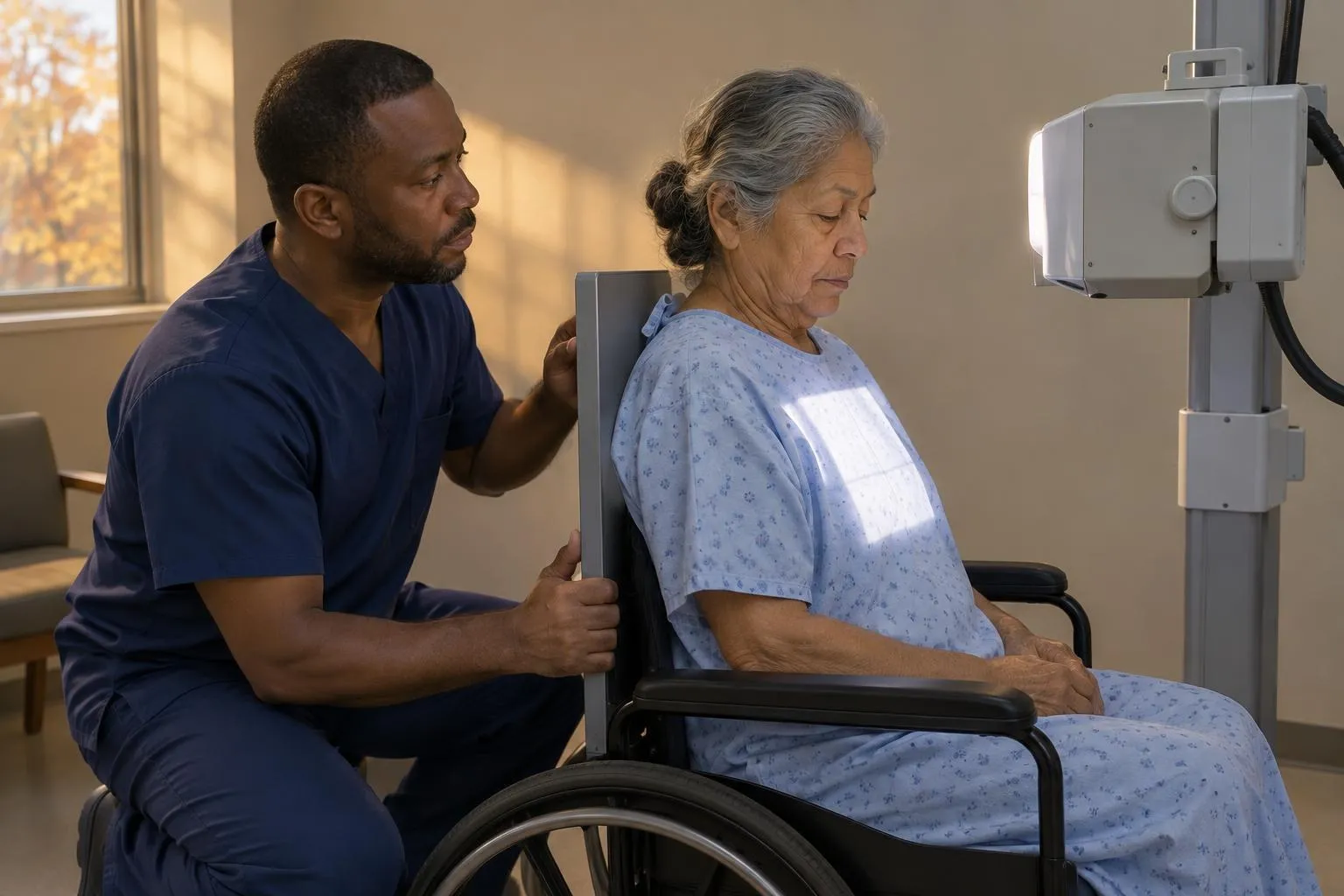
Are Cheap Mobile X-ray Services Worth It? The Real Cost of Cutting Corners
Cheap mobile X-ray service saves $18 a visit — until one unreadable chest film sends your patient to the ER. Here's what quality actually costs.
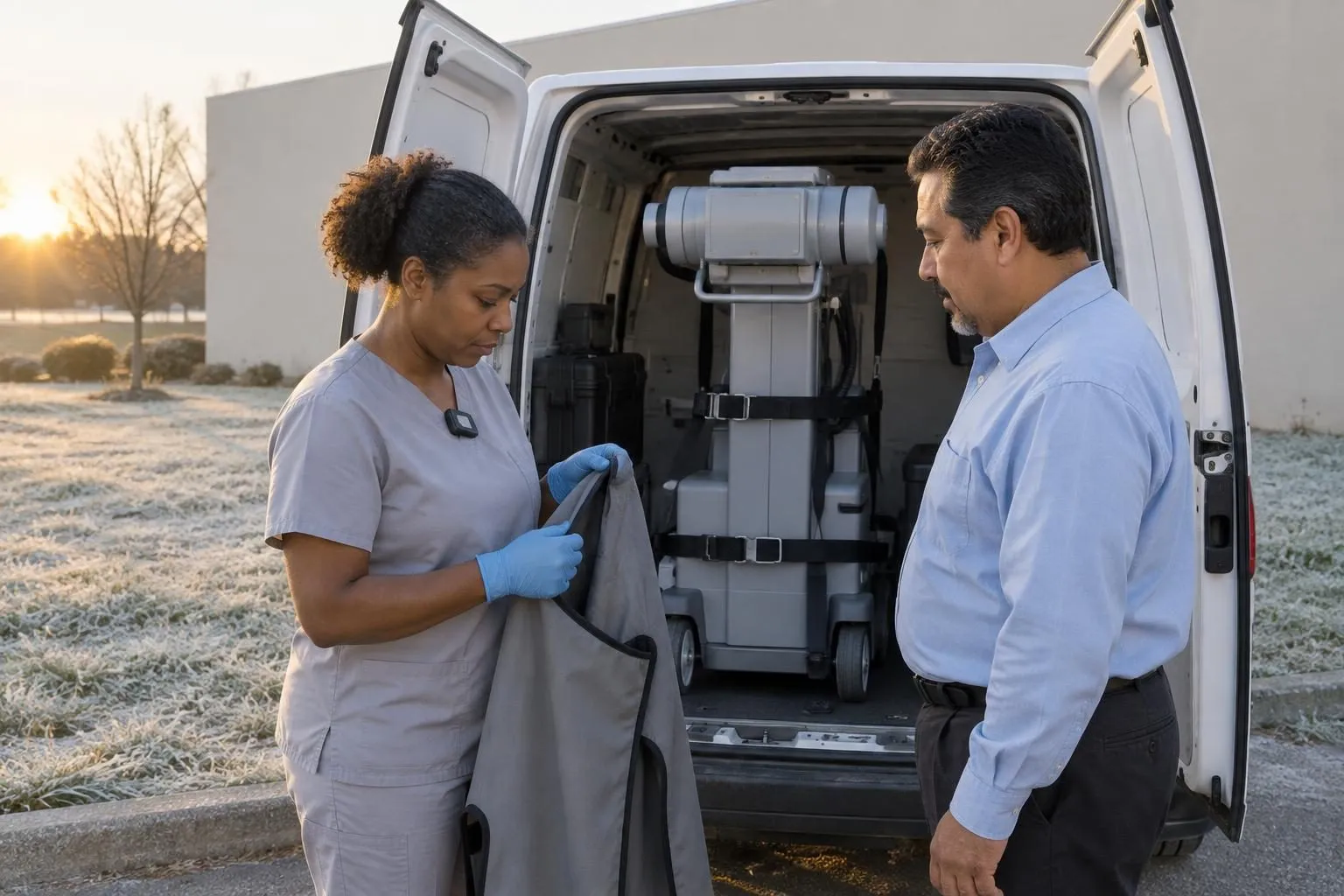
7 Red Flags When Hiring a Mobile X-ray Service (And How to Avoid Them)
Stat reads sitting unread for hours happen more than you think. These 7 red flags reveal whether your mobile X-ray service will hold up when it matters.
Looking for more? Browse our full resource library or find mobile X-ray services in other cities.